
Netflix-Warner Bros. Deal Is an ‘Anti-Monopoly Nightmare,’ Sen. Warren Says
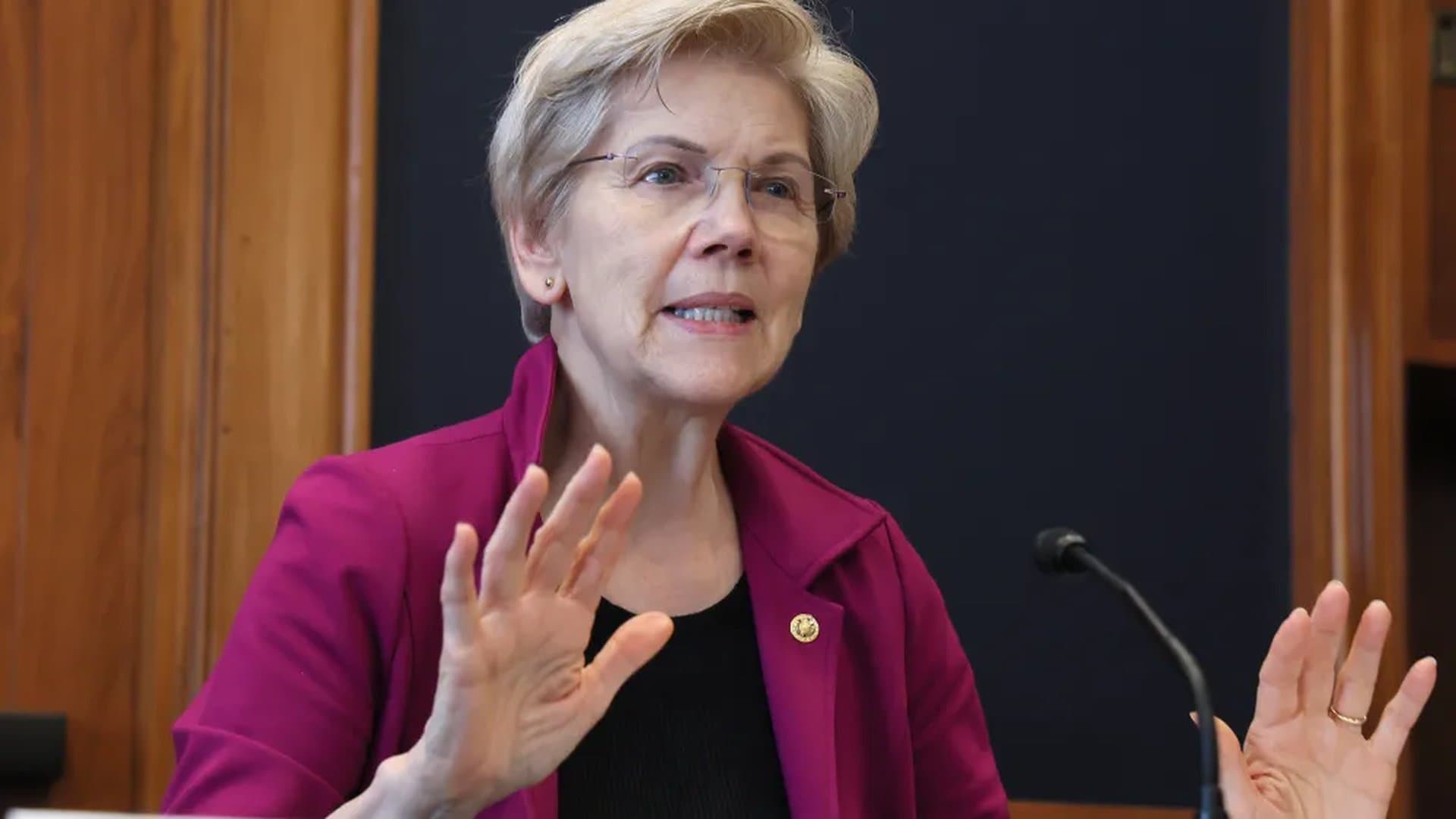
Table Of Content
Source: Variety
Category: Entertainment
Originally Published: 2025-12-05
Curated: 2025-12-05 16:17
Netflix‘s proposed $83 billion deal for Warner Bros. Discovery’s studio and streaming business has elicited opposition from one of the most prominent Democrats on Capitol Hill, Sen. Elizabeth Warren of Massachusetts.
“This deal looks like an anti-monopoly nightmare,” the senator said in a statement Friday. “A Netflix-Warner Bros. would create one massive media giant with control of close to half of the streaming market — threatening to force Americans into higher subscription prices and fewer choices over what and how they watch, while putting American workers at risk.”
Warren called on President Trump’s Justice Department to “enforce” antitrust laws.
Popular on Variety
“Under Donald Trump, the antitrust review process has also become a cesspool of political favoritism and corruption,” she said. “The Justice Department must enforce our nation’s anti-monopoly laws fairly and transparently — not use the Warner Bros. deal review to invite influence-peddling and bribery.”
Netflix also has encountered pushback from Republicans who have raised antitrust concerns about its takeover of WB studios and HBO Max. In a Nov. 13 letter to Trump administration officials, Rep. Darrell Issa, R-Calif., wrote, “With more than 300 million global subscribers and a vast content library, Netflix currently wields unequaled market power.”
Netflix, which stopped reporting subscriber figures this year, has more than 300 million streaming subscribers worldwide. WBD ended the third quarter of 2025 with 128.0 million streaming subscribers, an increase of 2.3 million subscribers from Q2. Those include customers of HBO Max as well as Discovery+ and its sports-streaming services.
At least initially, Netflix said it would operate HBO Max (and Warner Bros.’ studio operations) independently.
Netflix can argue that it is nowhere near a monopolist: The streamer’s execs routinely point out on the streaming giant’s earnings calls that even in its most mature markets, including the U.S., Netflix represents less than 10% of total TV viewing (a stat meant to show it still has future growth opportunities).
This article was curated from Variety. All rights belong to the original publisher.