
Our Favorite New Cookbooks of 2025
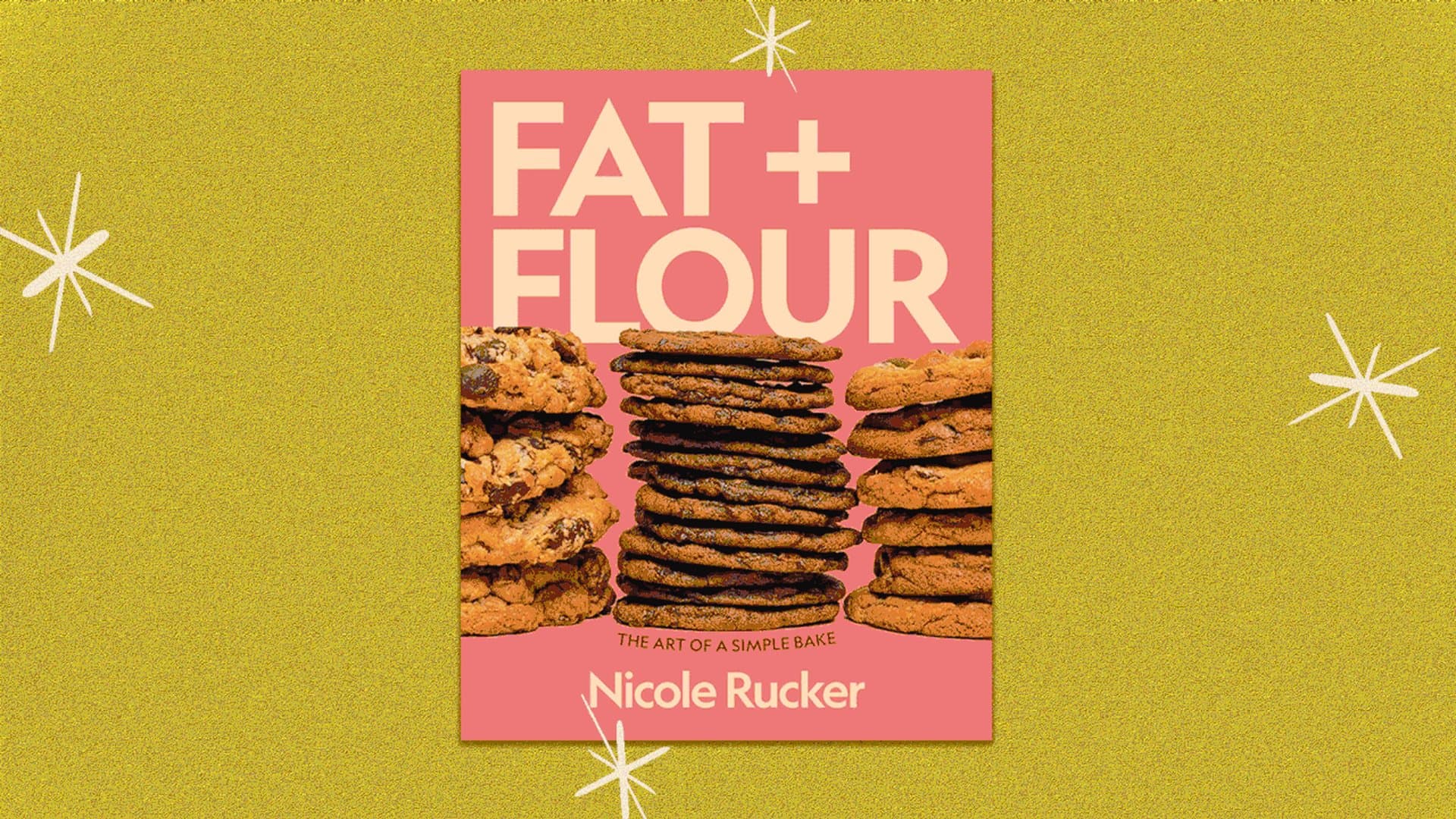
Table Of Content
Source: Bon Appétit
Category: Food
Originally Published: 2025-12-02
Curated: 2025-12-02 15:14
2025 was a banner year for cookbooks. These new titles? They helped us get dinner on the table in so many ways. Books for those willing to explore the wonders waiting in their pantry, or those who want to wander around other countries for inspiration. Books that celebrate vegetarian cooking, baked goods, and “good things.” There were deep dives into diasporic Pakistani, Ghanaian, Middle Eastern, and Latinx cuisine. With so many excellent titles, how does one go about chronicling the best? By enlisting a group of tastemakers to evaluate and select their favorites. Of course, we barely scratched the surface of all the excellent titles published this year. Luckily, we’ve covered plenty over the past year: peruse our spring, summer, and fall callouts. To round up 2025’s best cookbooks, we consulted a large group: Bon Appétit and Epicurious staffers, as well as other food writers and editors, cookbook authors, and chefs.
While a great cookbook is, as one might assume, a collection of stellar recipes, it should also be enjoyable to read without immediate plans to cook. And wow, do these books deliver on that. Without truly reading these books, we might not have discovered that you don’t need to soften butter for a cohesive cookie dough (Nicole Rucker’s Fat + Flour taught us this); or that an author’s daughter is responsible for curating the playlists peppered throughout the recipe pages (that’s in Hetty Lui McKinnon’s Linger); or that fonio, a grain indigenous to West Africa, is likely the oldest cereal grain on the continent, but remained mostly unknown to Americans until just recently (shared by Eric Adjepong in Ghana to the World).
Read on for 16 books that delighted us in 2025, ordered alphabetically by title. Which will you add to your library?
I was drawn to chef Sami Tamimi’s first solo cookbook, Boustany, because of its subtitle: A celebration of vegetables from my Palestine. Hoping for inspiration for meat-free home cooking, I was not disappointed. The longtime Ottolenghi collaborator centers fresh produce on every page, with vibrant recipes that look exactly like what I want to eat right now (and always, if I’m honest). Colorful salads, robust dips, and a medley of grains and beans fill out chapters on breakfast, weeknight dinners, and special occasions, punctuated by pictures of Tamimi’s boustany—Arabic for “my garden.” I immediately made the Two-Lentil Mejadra, which features an onion salsa with gently roasted onion petals that I know I’ll be coming back to as a topping for other dishes. The bread section is going to see more of me (four words: Fenugreek & Onion Buns), and the fruity desserts, like Tahini Rice Pudding With Grape Compote, all have Post-it notes on their pages. But aside from the recipes, Boustany is also a beautiful ode to Tamimi’s home country, honoring the work Palestinians have done to preserve a culinary heritage rooted in farming and foraging in the face of overwhelming adversity. Showcasing this food culture is not a task he takes lightly; as Tamimi writes: “The responsibility of writing these recipes and stories has weighed heavily on my shoulders. I hope and wish that many of you try the recipes, read the stories, and want to know more about Palestine…this wonderful place I call home.” —Kendra Vaculin, former test kitchen editor
(Recipes from the book: Pan-Fried Turmeric Bread (Kubez Kimaaj), Crushed Lentils With Tahini & Soft-Boiled Eggs (Adas Medames))
If you look at the menu of David Nayfeld’s Che Fico in San Francisco, you may not immediately think, “oh, I know how that guy feeds his kids at home,” because, well, it’s the menu of a cool San Francisco restaurant. But my god does he knock it out of the park in his new book Dad, What’s for Dinner?. It breezily moves between the delicious-but-functional weeknight necessities (a quick marinated grilled chicken) to the aspirational (raise your hand if you’re ready to make fresh pasta with your kids). All the while, he offers flavors that can serve as building blocks to move little ones towards more adventurous eating. One of the most valuable things about this book is the way Nayfeld takes into account the actual lived experience and priorities of so many working parents. Every recipe is classified somewhere between a “meltdown meal” (what you make when you just got home and the kids are screaming they’re hungry, like the aforementioned grilled chicken) and “project cooking” (something you can do on an empty Saturday, like his 5-hour ragu). He also tells you how much cleaning you’ll have to do afterwards, which, if you’ve ever had to do dishes following a prolonged bedtime ritual at 9:30pm, is very important. Some cookbooks change what I cook and the way I cook it. It’s not so much that Nayfeld’s does that, but in addition to new breakfasts and dinners that feature regularly in my rotation, Dad, What’s for Dinner?, serves as an affirmation that, yes, feeding your kids is hard, and you’re doing a damn good job. —Noah Kaufman, senior commerce editor
(Recipe from the book: Smothered Italian Sausage)
I couldn’t help but feel an immediate affinity for Meera Sodha’s Dinner. I eagerly consume her cookbooks and columns (if you aren’t already cooking from East and Made in India, or reading her writing in The Guardian, please join me), and am regularly wowed by her highly flavorful, vegetable-centered meals. But I wasn’t just excited for a new book from an author I respect, it was the story behind the recipes that felt so compelling. Several years ago, Sodha hit a mental and emotional wall and simply couldn’t bring herself to cook anymore. But with a family and herself to feed, she had to somehow do it anyway. Dinner charts her path toward a more joyful, sustainable relationship with cooking. The 120 recipes inside are as well-tested, clever, and delicious as her past work, while centering the sanity and pleasure of the cook. The book is primarily organized by ingredient (a chapter on eggplant precedes one on broccoli and other brassicas), but Sodha provides alternate groupings by season, dish type, and cooking method, and shares advice in short essays too. It’s become my steadfast companion: Her Cheddar and Gochujang Cornbread is now my go-to summer cookout contribution, the Miso Butter and Greens Pasta is on regular weeknight rotation, and I’ll never make cauliflower without a yogurt marinade again. It’s a book that’s inspired me to find real delight in even the most routine cooking. —Kelsey Jane Youngman, senior service editor
This article was curated from Bon Appétit. All rights belong to the original publisher.